
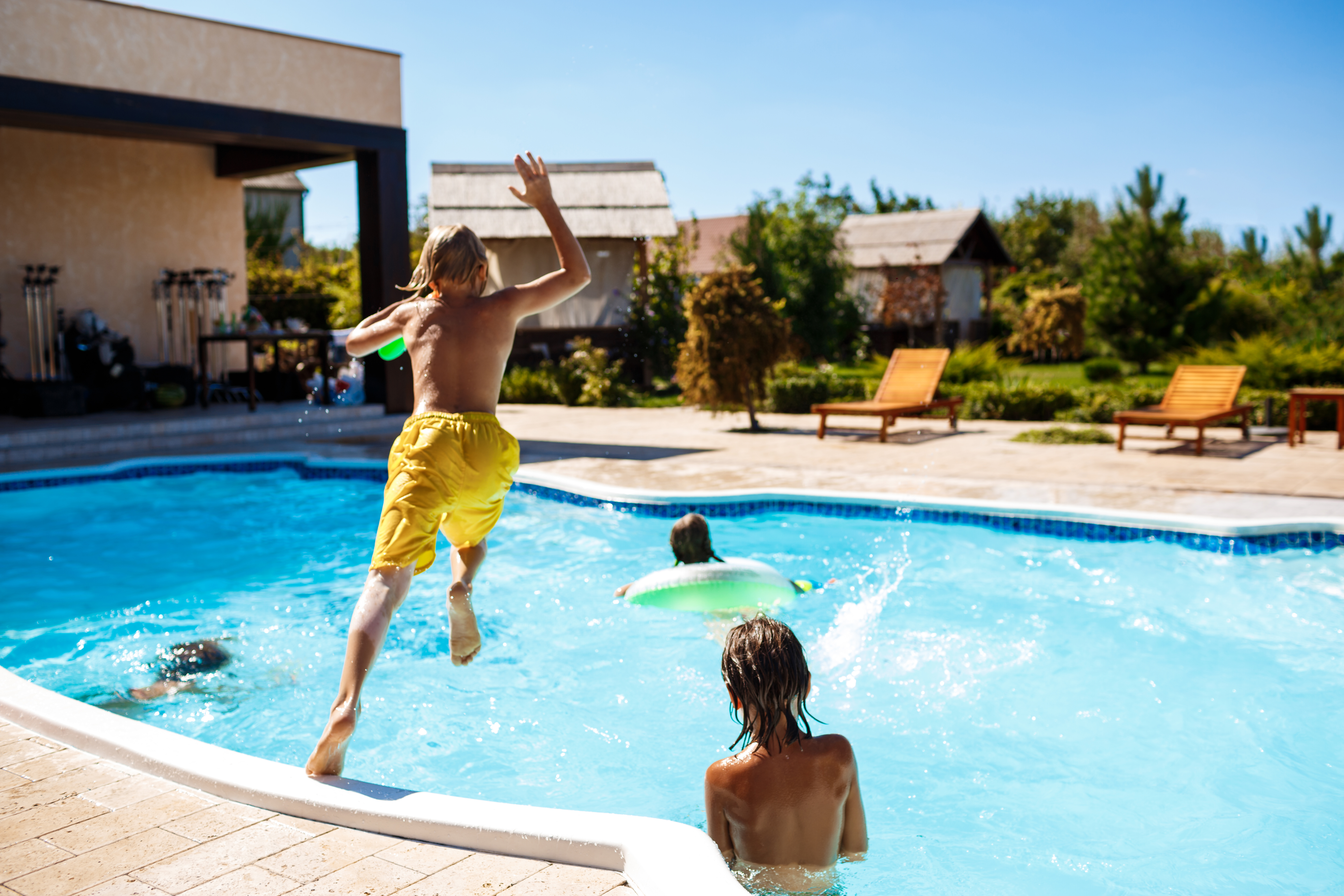
Pool, Trampoline & Backyard Liability - Are You Covered This Summer?
Summer often brings families and neighbors together for outdoor fun, and many homeowners enhance their yards with additions like pools, trampolines, or play equipment. While these upgrades can create a lively and welcoming environment, they also introduce added liability concerns. Understanding how your homeowners insurance responds to these risks can help you enjoy your backyard safely and confidently.
By familiarizing yourself with concepts like attractive nuisance, reviewing your policy requirements, and adding thoughtful safety measures, you can reduce the chance of accidents and protect yourself financially if something goes wrong.
What Homeowners Liability Insurance Typically Covers
Most homeowners insurance policies include personal liability protection, which may help cover expenses if someone is injured on your property and you are legally responsible. This coverage can extend to medical bills, legal representation, or settlements associated with a claim.
The Insurance Information Institute notes that many standard policies begin their liability limits around $100,000, though it’s common for homeowners to select higher limits for added peace of mind. When your property includes higher‑risk features—such as swimming pools, trampolines, or large play structures—adequate liability coverage becomes even more important.
Still, insurance works hand‑in‑hand with responsible maintenance. Carriers expect homeowners to uphold reasonable safety standards, and failure to do so could influence how a claim is handled.
The Role of the Attractive Nuisance Doctrine
Homeowners should also be aware of a legal principle known as the attractive nuisance doctrine. This concept refers to features that may draw children onto your property, even without permission, but also pose safety hazards.
Common attractive nuisances include:
- Residential swimming pools
- Trampolines
- Treehouses or elevated play areas
- Backyard swing sets or playgrounds
Because children may not recognize potential dangers, the law often places added responsibility on property owners to take practical safety steps. Many insurance carriers and local municipalities require certain safety measures—such as locked gates, proper fencing, or approved safety covers—to help reduce the likelihood of accidents.
These safeguards not only protect children but also demonstrate that the homeowner has taken reasonable steps to reduce risk.
Policy Requirements and Areas Where Coverage May Differ
Insurance companies vary in how they handle coverage for backyard amenities, and requirements often depend on the specific feature. Some items require documented safety upgrades, while others may have exclusions written directly into the policy.
Pools are a good example. Many insurers require a fully enclosed barrier or fence with a gate that closes and latches on its own. Without these features, claims involving pool‑related injuries could be denied.
Trampolines are another area where underwriting rules differ. Some insurers will only extend liability coverage if the trampoline has a proper safety enclosure, while others may exclude trampoline liability completely.
Even playground equipment can pose risks if it is not properly assembled or maintained. Following installation instructions closely and checking for wear can help minimize avoidable injuries.
Because every policy is unique, reviewing coverage with an insurance professional is essential. A detailed review can help you uncover exclusions, verify safety requirements, and make sure your liability limits are sufficient for your situation.
Proactive Ways to Reduce Liability Risks
Even when homeowners insurance offers protection, preventing injuries is always the best approach. Fortunately, there are several practical steps that can make your outdoor spaces safer for guests and family members.
Start with physical safeguards like fencing around pools, protective nets on trampolines, and securely anchored play structures. Features such as self‑closing, self‑latching gates add an extra layer of protection by limiting unsupervised access.
Ongoing maintenance is equally important. Weather and heavy use can take a toll on backyard equipment. Look for signs of wear such as rust, damaged netting, loose bolts, or unstable components. Addressing these concerns early can prevent larger issues down the road.
Posting clear rules—such as pool safety guidelines or depth markers—can help set expectations and remind visitors to use equipment responsibly.
Above all, supervision plays a key role in accident prevention. Keeping a close eye on activity around high‑risk areas, especially when children are present, can stop many incidents before they occur.
Why Documenting Safety Efforts Matters
Another helpful but often overlooked step is keeping documentation of your safety measures. In the event of a liability claim, having detailed records may help support your case by demonstrating responsible property management.
Useful documentation can include:
- Photos showing pool fences, gates, or trampoline enclosures
- Logs detailing maintenance or repairs to outdoor equipment
- Receipts for safety devices or improvement projects
- Notes from periodic inspections around your yard
These records show that you have taken reasonable action to create a safer outdoor environment. Although documentation cannot eliminate liability, it may help verify that you acted proactively and responsibly.
A Handy Checklist to Prepare Your Backyard for Summer
Before the season gets busy, reviewing a simple safety checklist can help you identify key priorities:
- Add required fencing, barriers, or protective enclosures around pools and other attractive nuisances.
- Confirm that gates close and latch automatically.
- Inspect playgrounds, trampolines, and outdoor structures regularly.
- Repair worn or damaged components as soon as possible.
- Keep records of maintenance, upgrades, and inspections.
- Review your policy to confirm liability limits and note any exclusions.
These small but meaningful steps can reduce potential injuries and protect your family from unexpected financial exposure.
Protect Your Home, Your Guests, and Your Peace of Mind
Backyard features like pools, playsets, and trampolines make summer more enjoyable and encourage friends and family to gather. With the right safety practices and sufficient insurance coverage, you can enjoy your outdoor space without unnecessary worry.
If you’re unsure whether your current homeowners insurance offers the protection you need, taking time to review your policy with a professional can be incredibly helpful. A quick conversation can highlight any coverage gaps, outline safety requirements, and confirm whether your liability limits align with your household’s needs.
If you’d like to review your homeowners coverage or take a closer look at your liability protection, reaching out to an insurance expert can give you clarity and confidence as you head into the summer season.